From prompting to building in 4 weeks.
You already use AI every day. This is where you stop asking it for answers and start building the thing that produces them: a working tool from a real problem in your practice, with an experienced legal quant watching you do it.






















When someone asks the most impressive thing you’ve done with AI, you’ll have a concrete answer.
You’ll be matched on practice area, seniority, timezone, and the problem you want to solve. Some residents arrive having never opened a terminal. Others are six months into a codebase they can’t verify. Both are asking the same question at different altitudes, and it has the same answer: someone qualified to tell you.
Four weeks, one build.
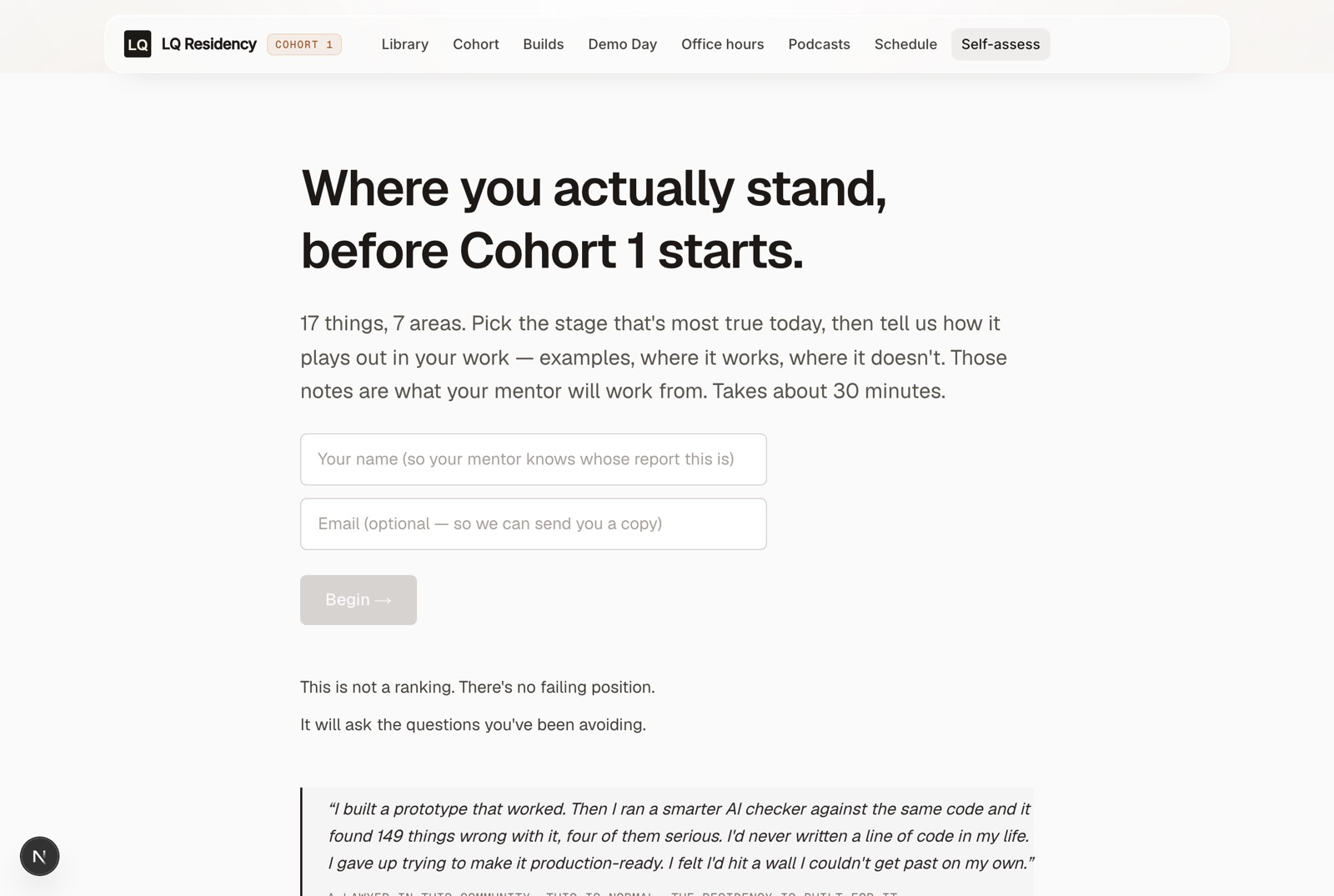
You’ll tell us where you are, what tools you currently use, and where work is slowing you down. We use that to assess the fit, identify a promising project, and brief your mentor before the residency begins.
You’ll install and configure the tools you need, including GitHub and your chosen coding environment. You’ll also define the project clearly: what it should do, what information it needs, and what “working” means.
You’ll work on your project with 1:1 mentoring — three sessions a week. You can also bring problems to group AI clinics, attend office hours, and compare approaches with the rest of the cohort.
You’ll show your project to the cohort and answer questions: how it works, what you learned, what you’d improve next.
Time commitment: 10–15 hours per week · Typical build time: 1–2 hours per day
What past cohorts built.
Where each resident started, what they shipped, and who mentored them. The build is the visible part. The change in how they work is the part that lasts.
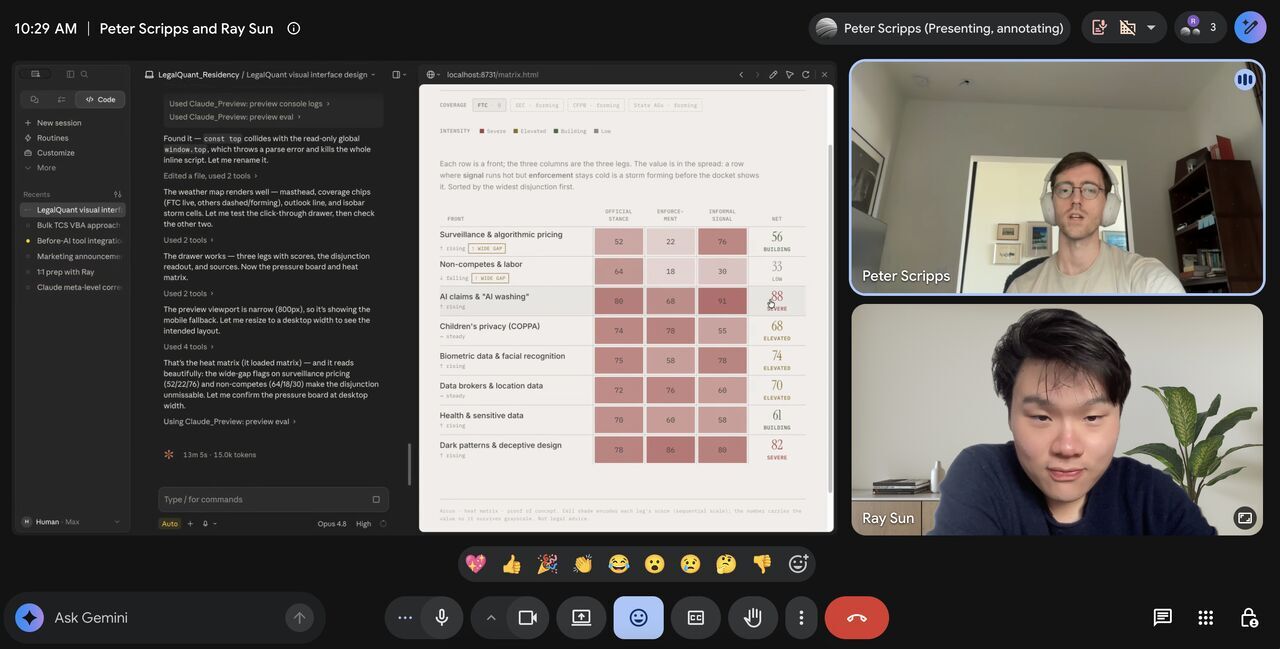
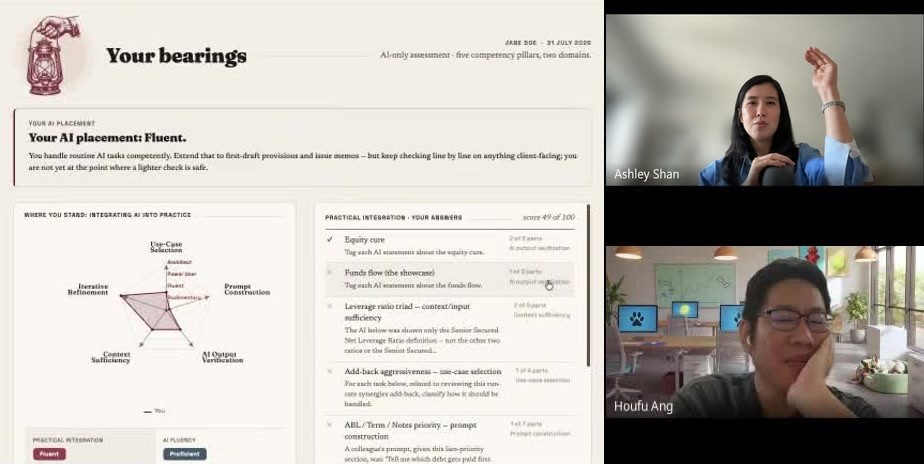
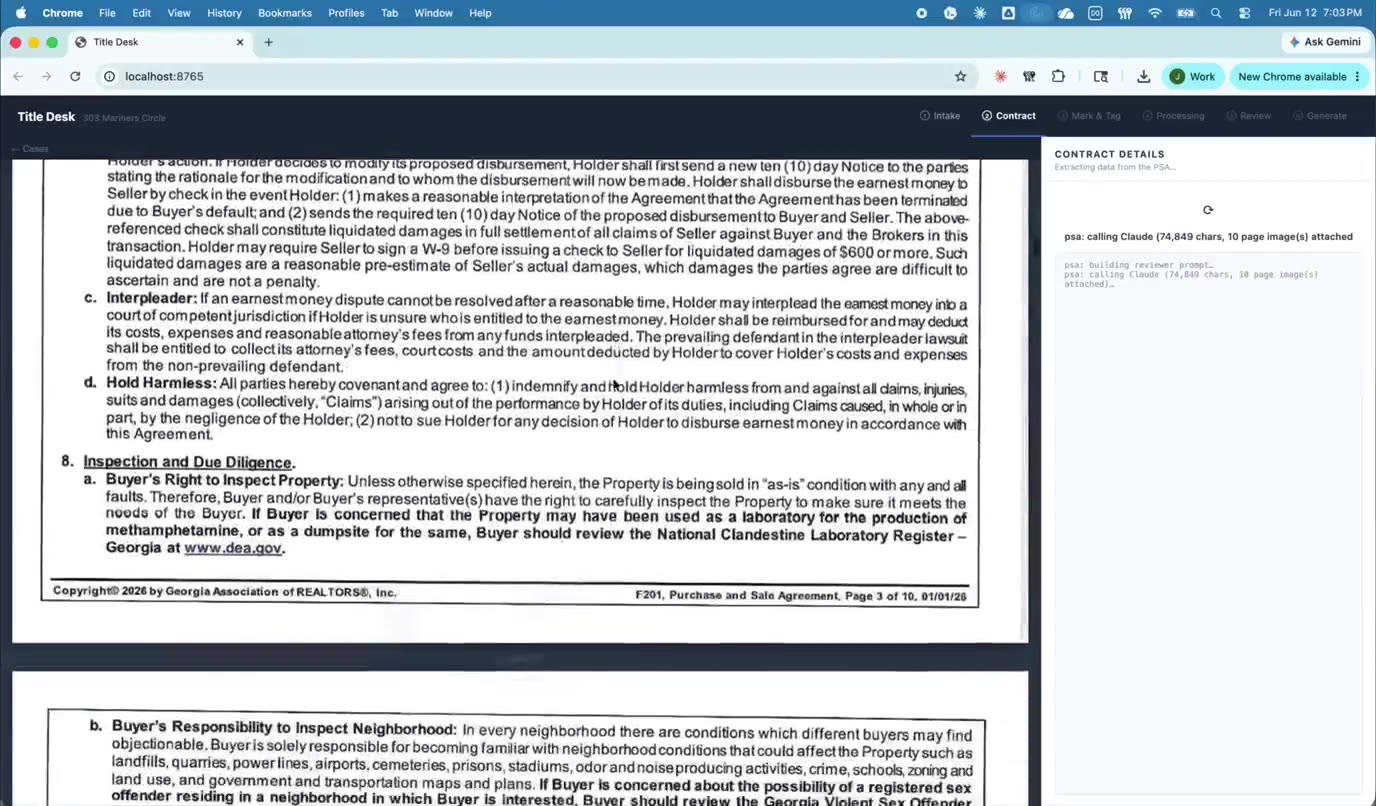
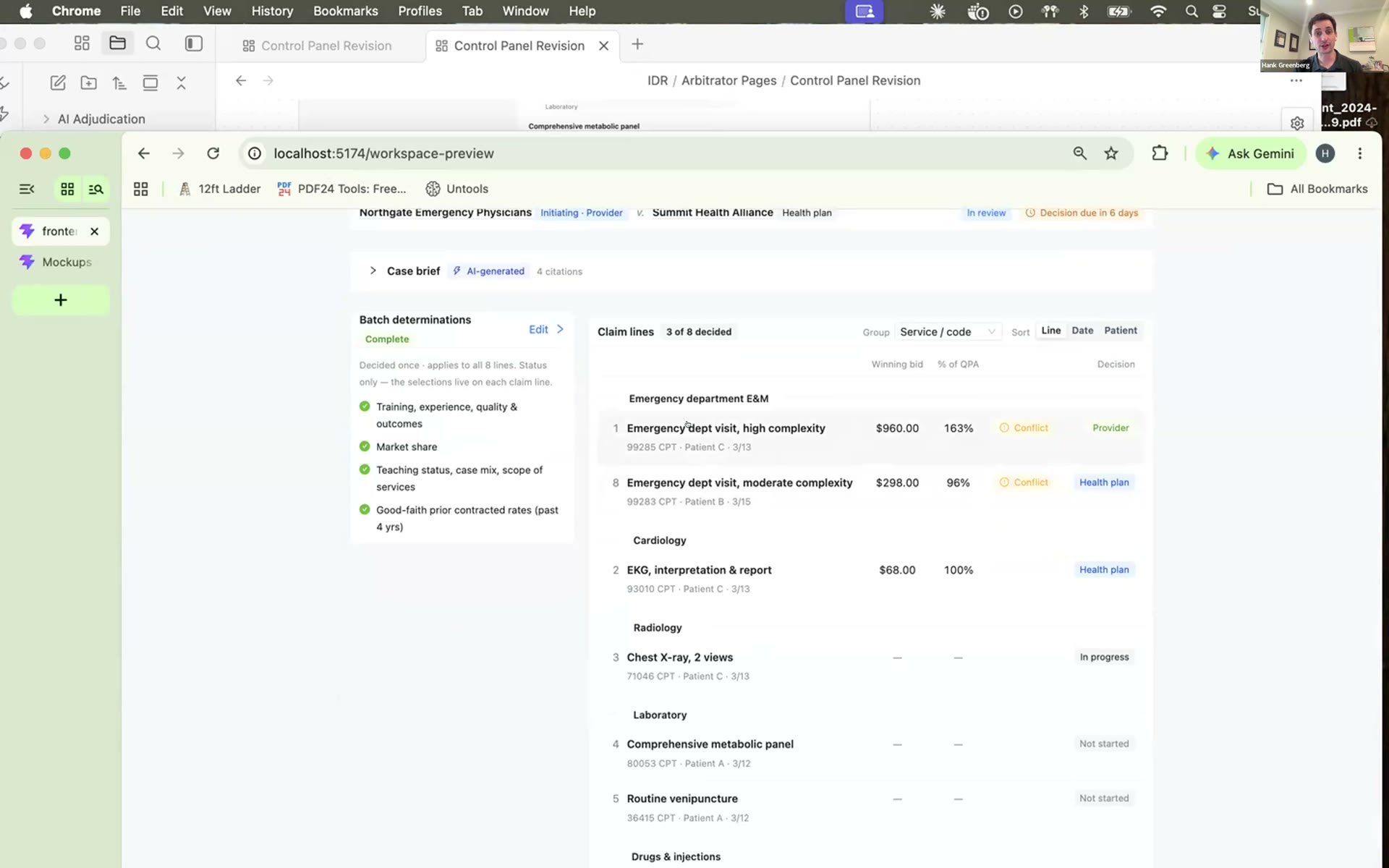
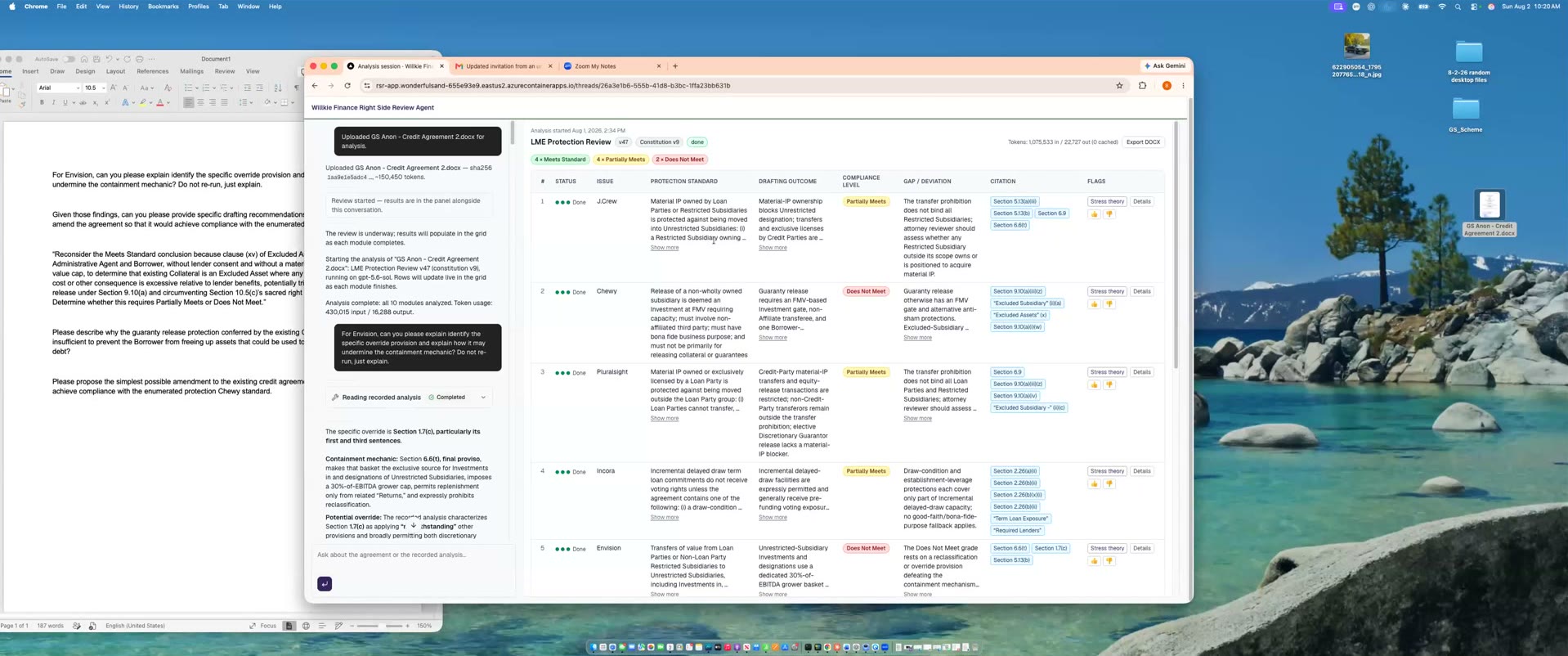
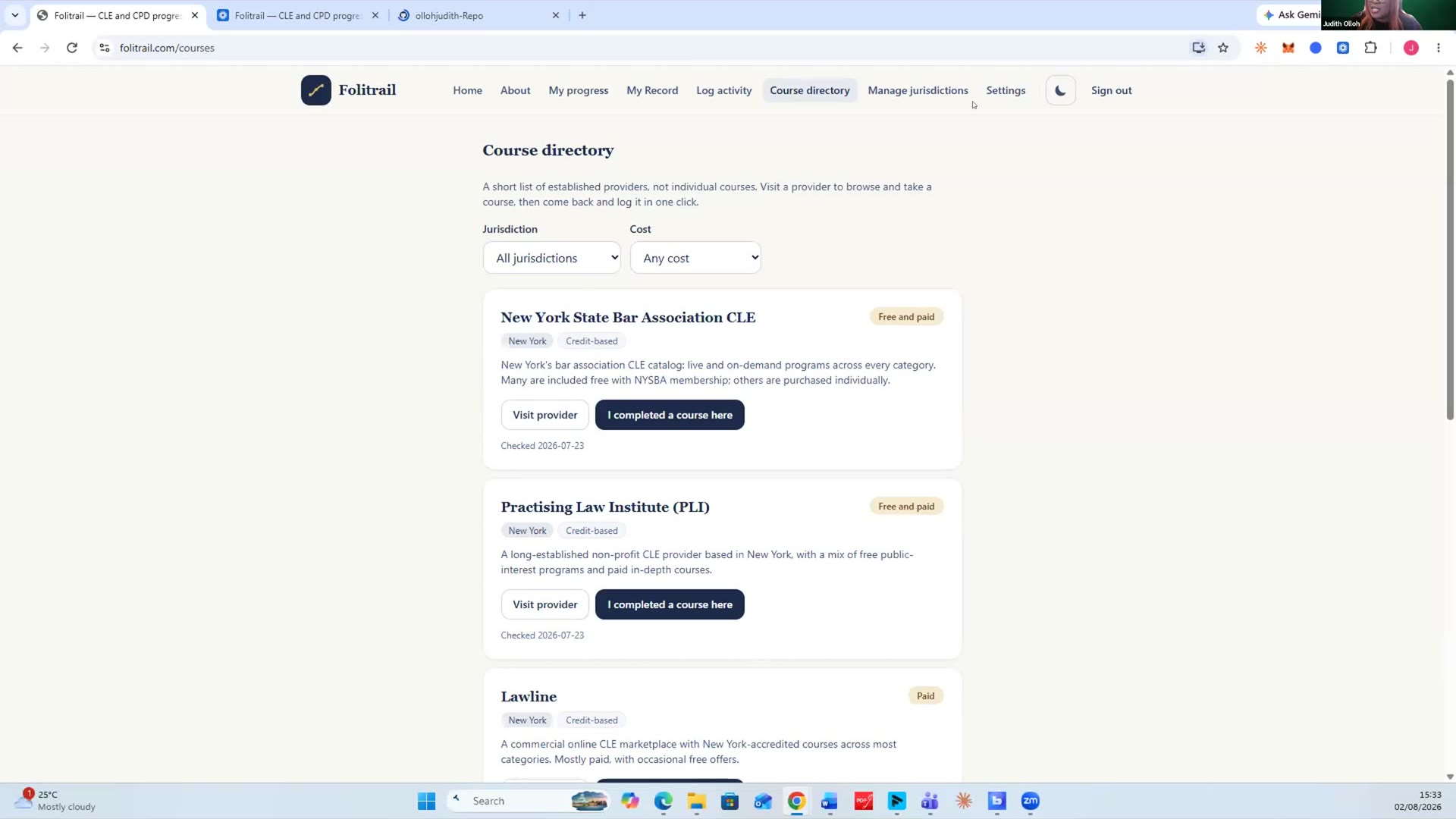
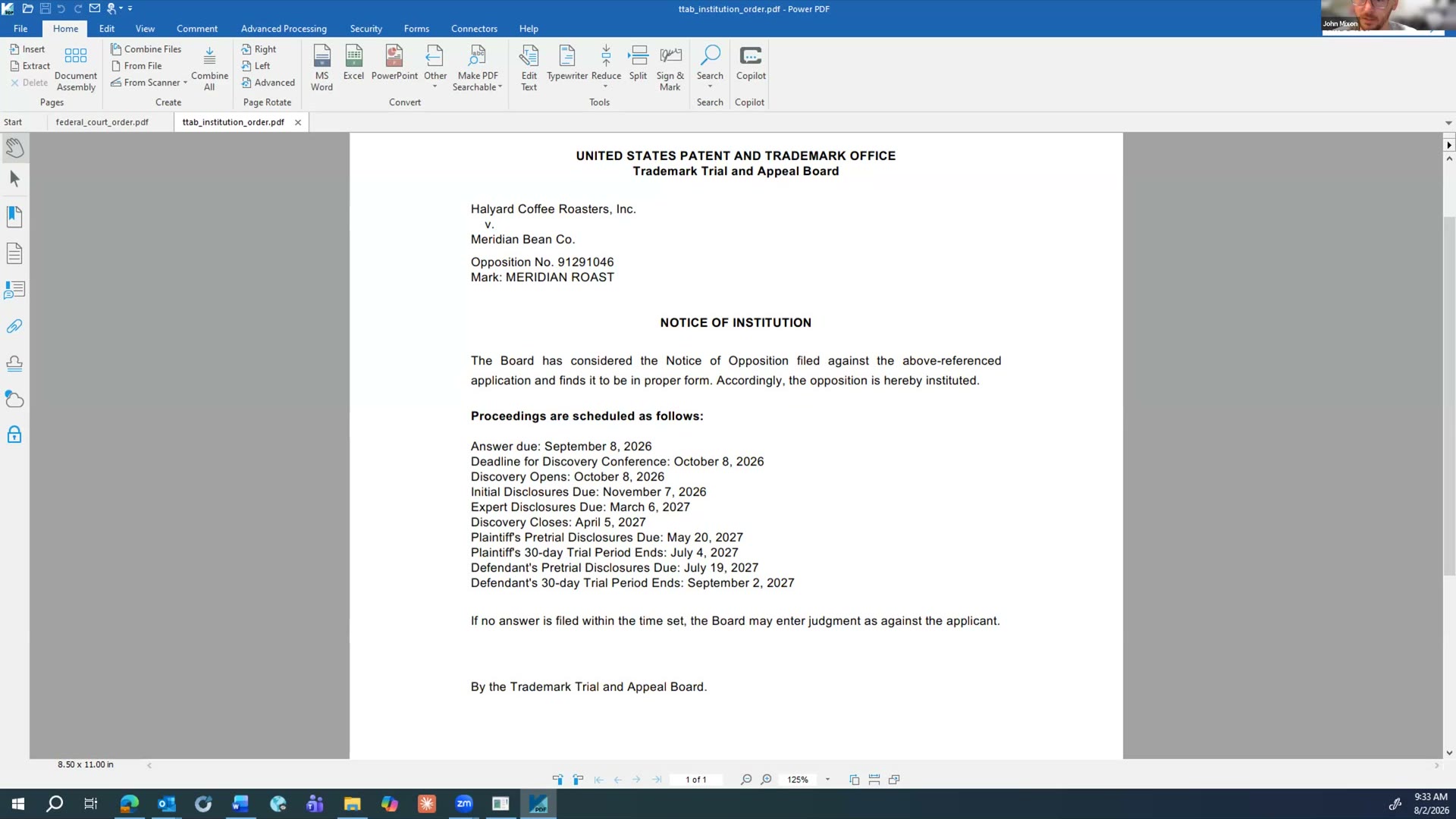
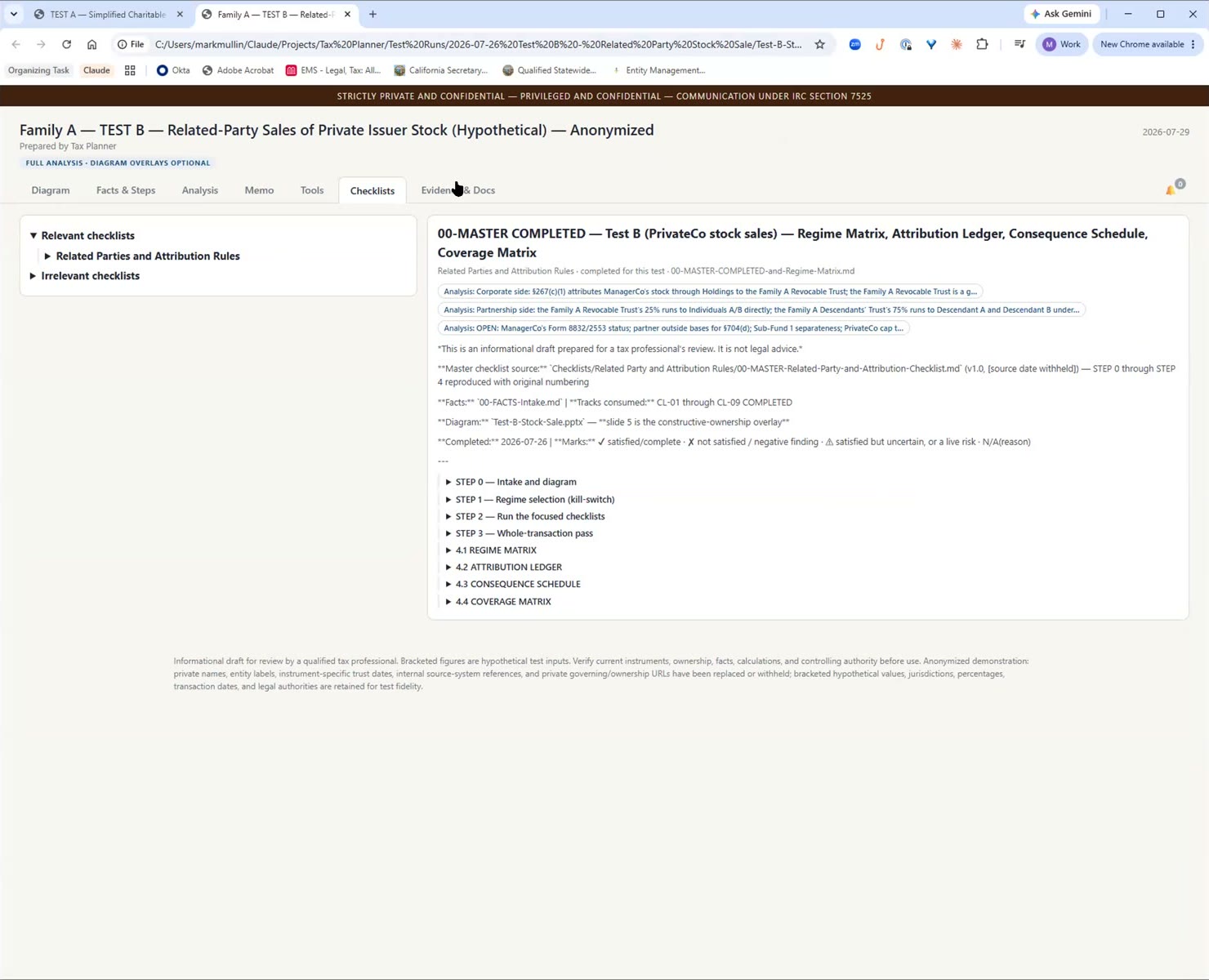
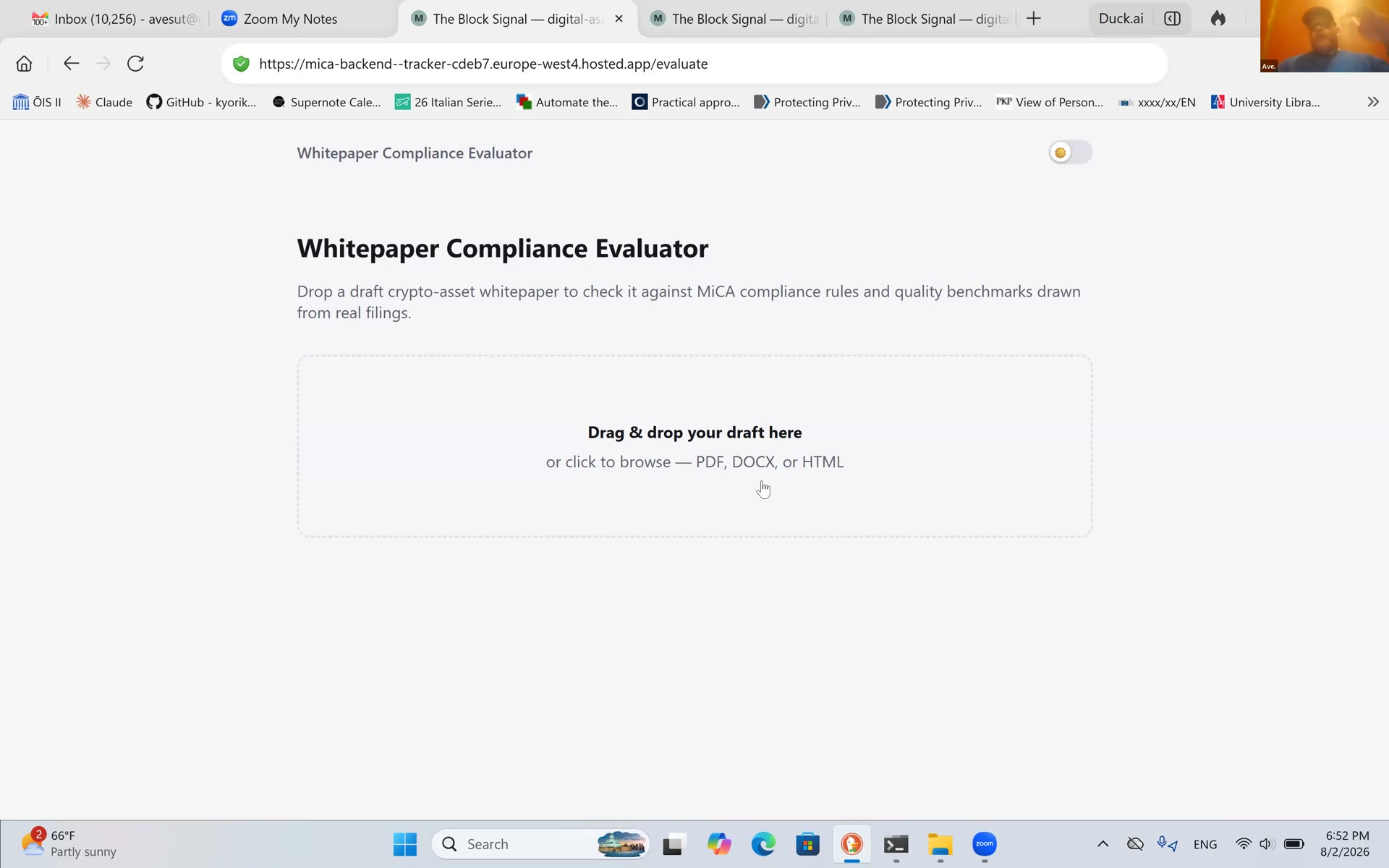
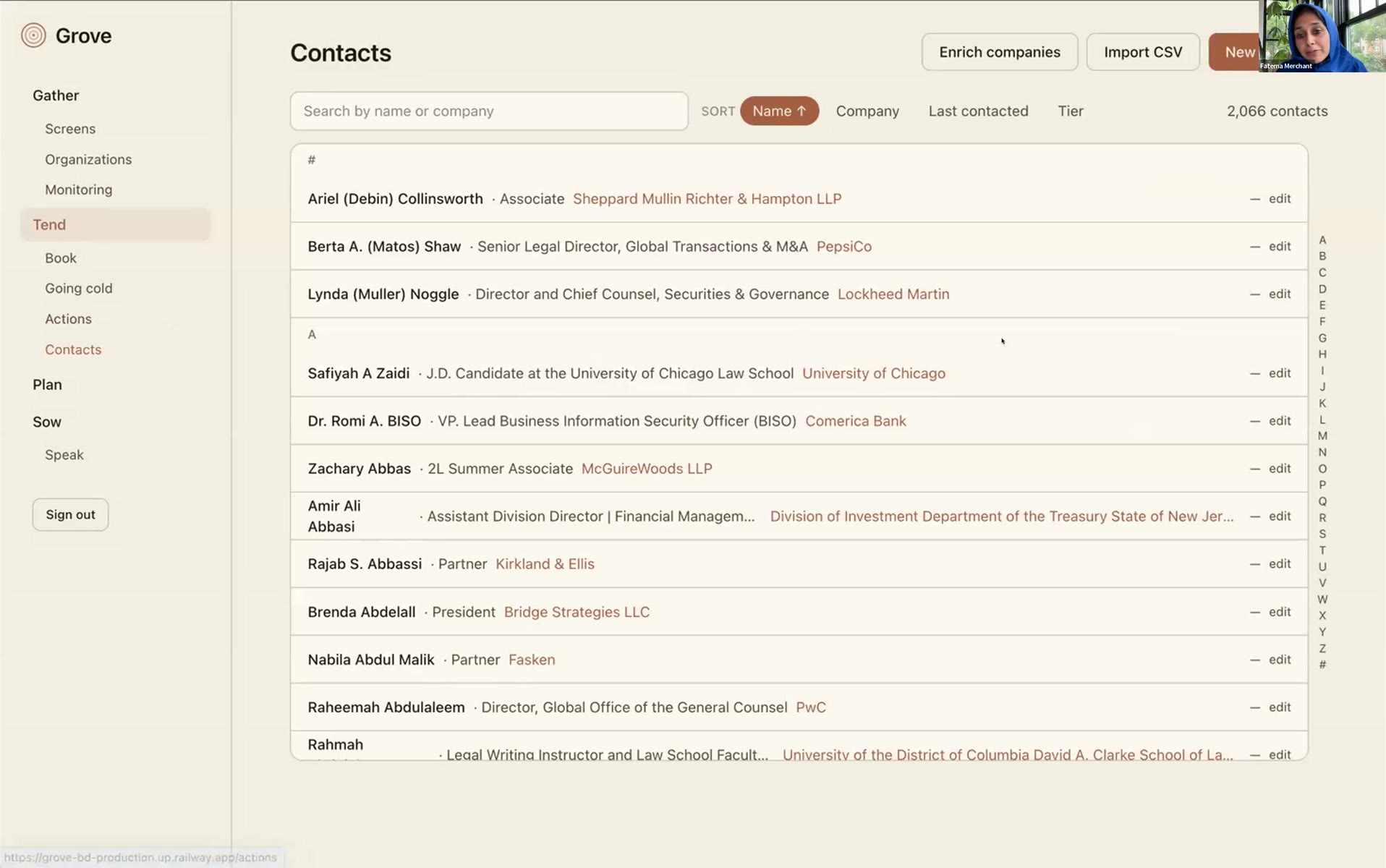

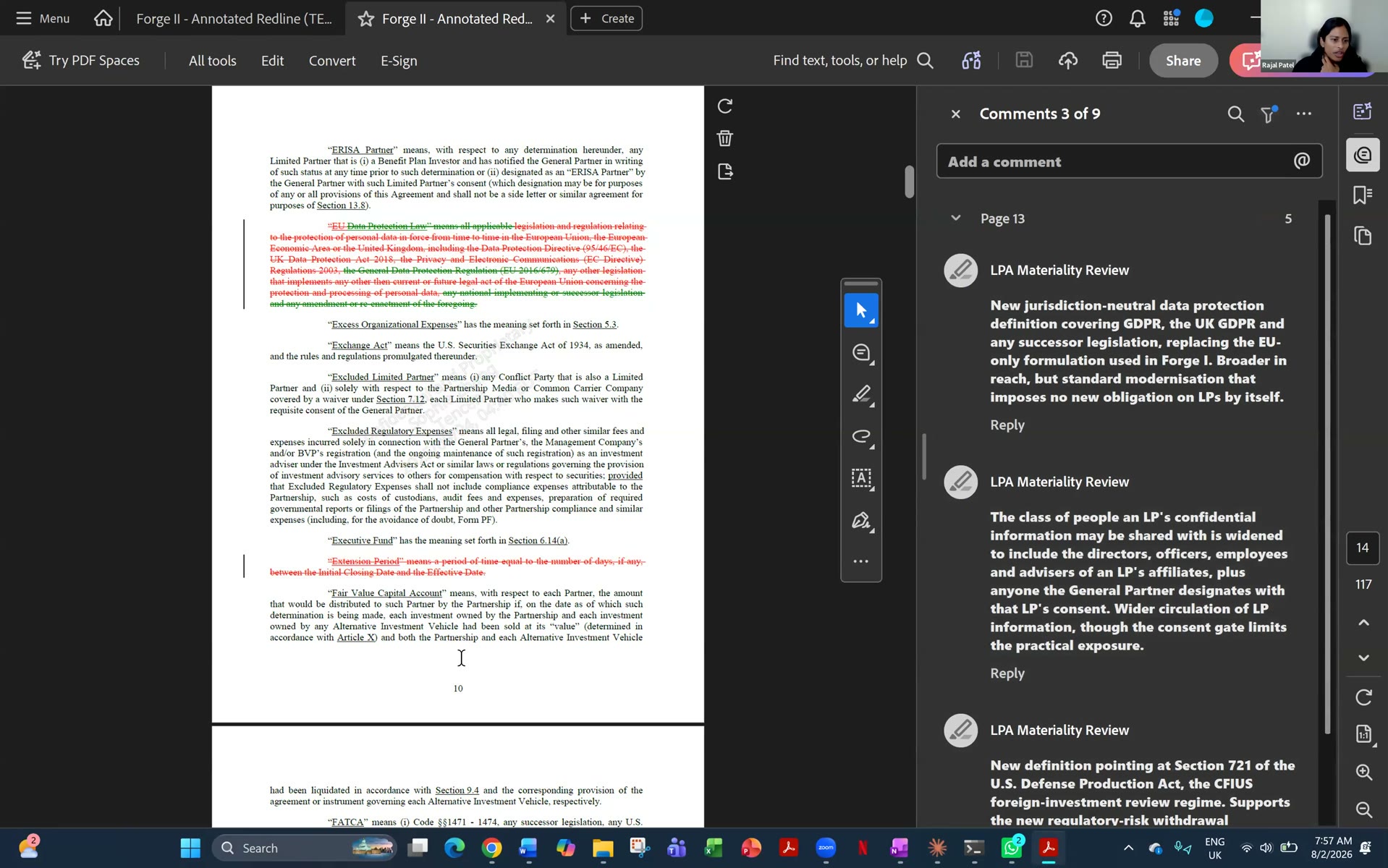
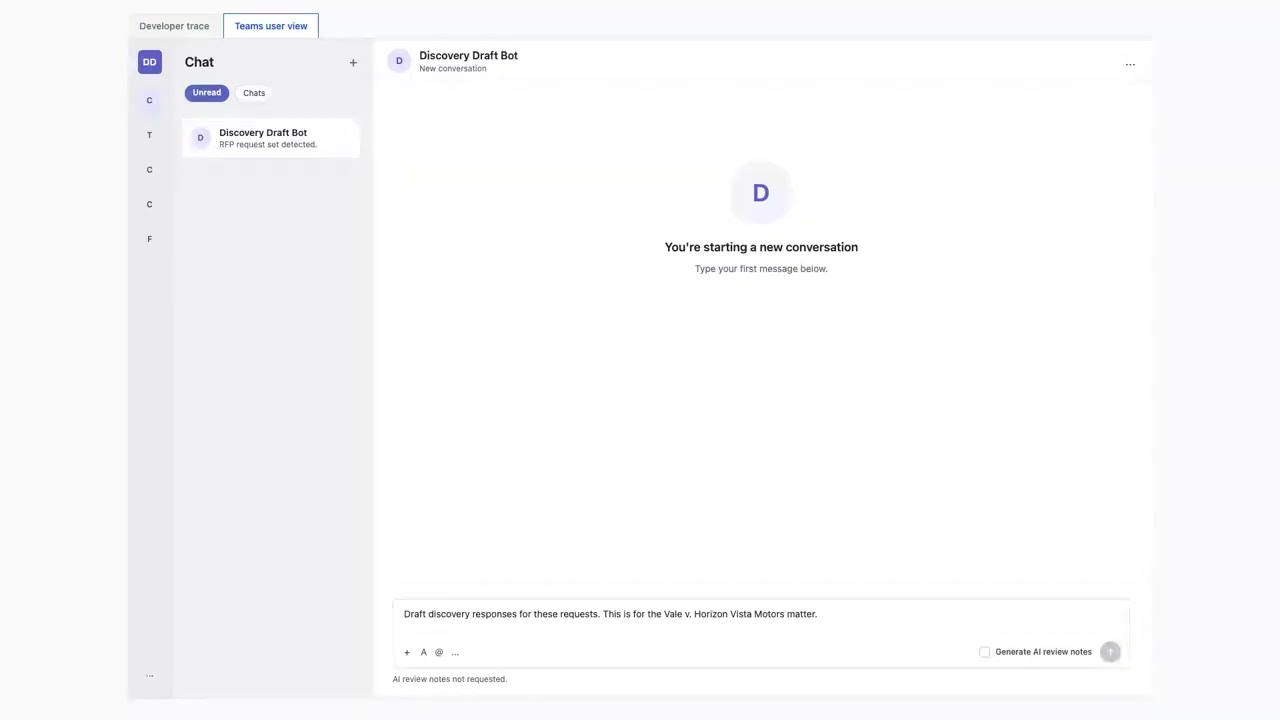

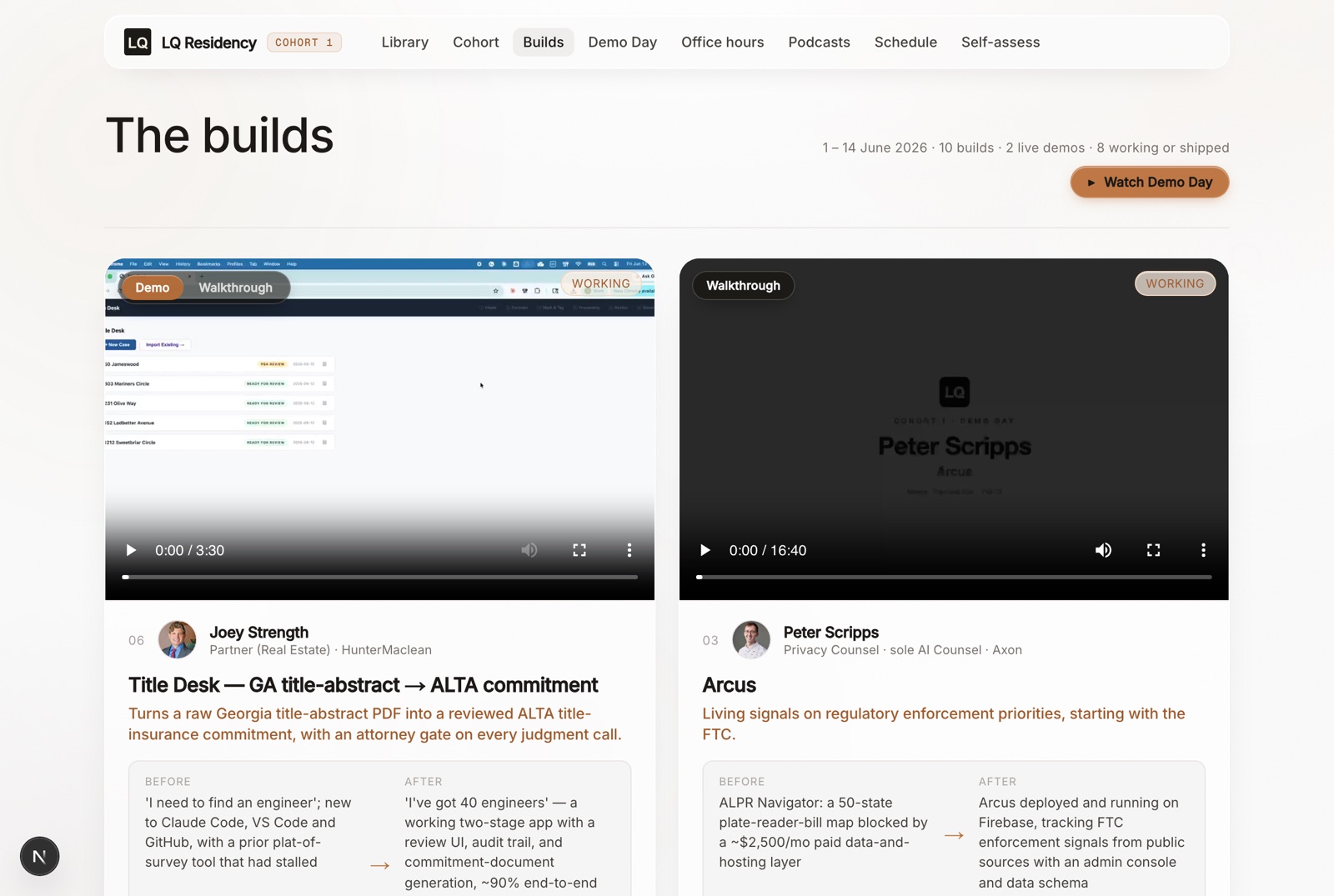
A senior privacy counsel who had only ever built inside a chat window — useful prompts, nothing he could hand to anyone else.
Arcus, a live tracker that watches enforcement signals from twelve regulators — FTC, SEC, ICO, CNIL and on — built and deployed on Firebase, entirely from public agency records.
“I just built a front end I really like, in two days. That’s insane.”
Peter🇺🇸 Senior privacy counsel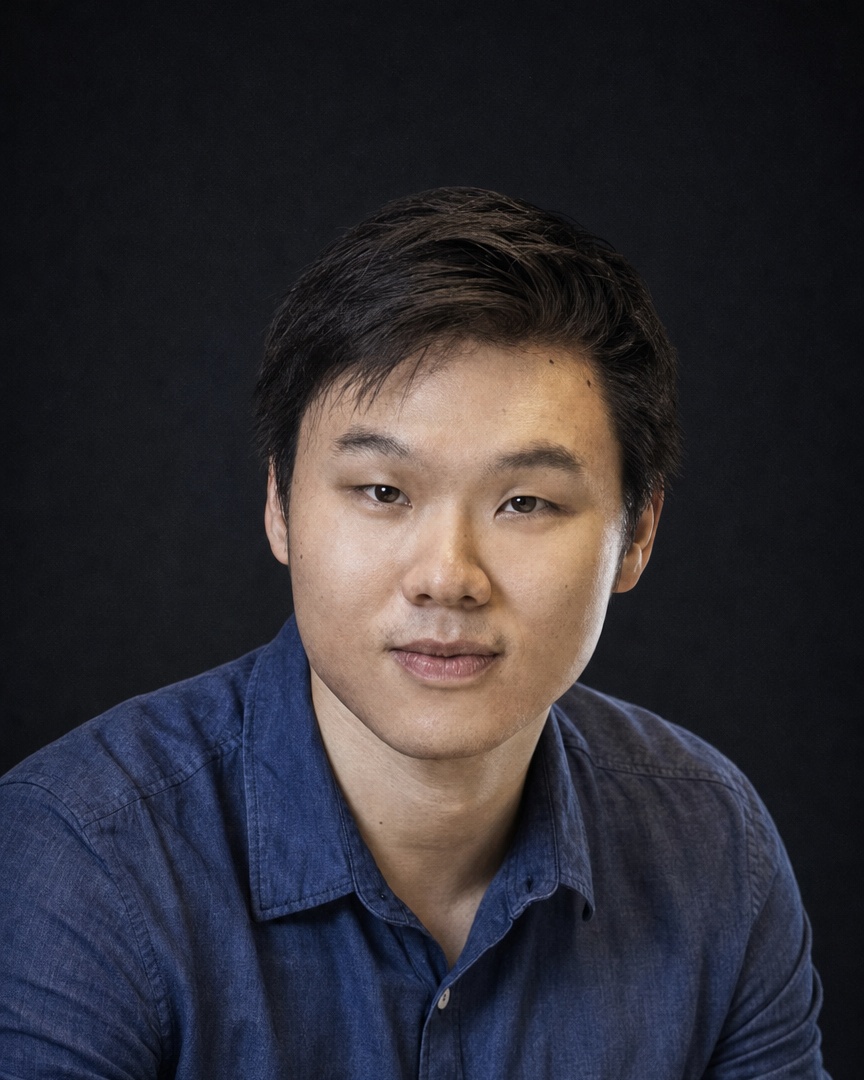 Ray🇦🇺 Mentor
Want to hear it straight from someone who did it? Message Jamie on LinkedIn for an intro to a past resident.
What’s included.
Lawyers from AmLaw100, Magic Circle and Fortune 500 in-house teams, all mid-build at the same time as you. Different projects, same problems. After four weeks your stuck point is usually someone else’s solved problem.
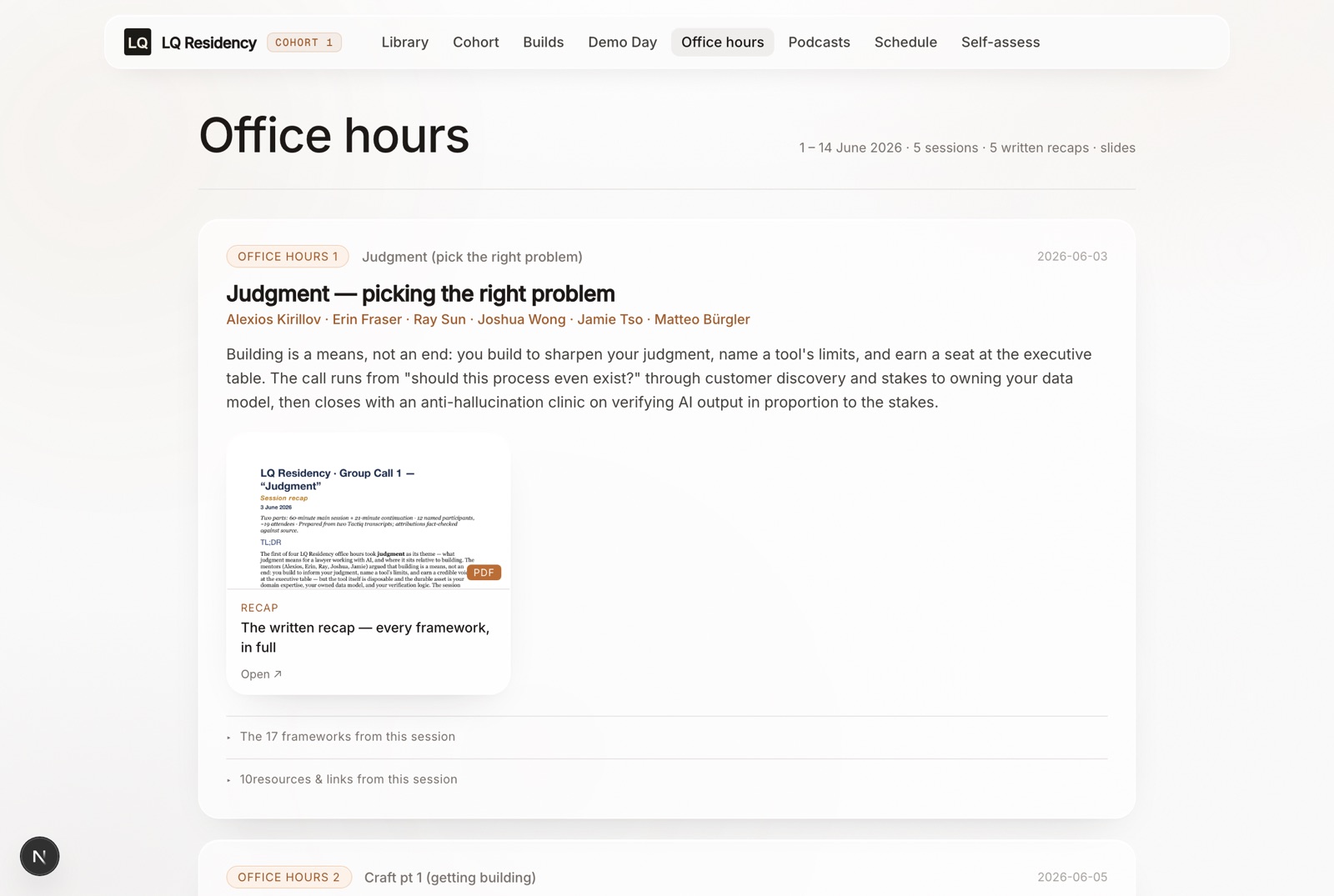
Nine hours, one to one, with a senior lawyer in your practice area. Dan (tax) mentored Mark (tax). Parth (patents) mentored John (IP litigation). The match is the product.
Bring the thing that broke on Tuesday. Plus every past cohort’s session, so the answer usually already exists.
Access to specialists for focused questions outside your mentor’s area.
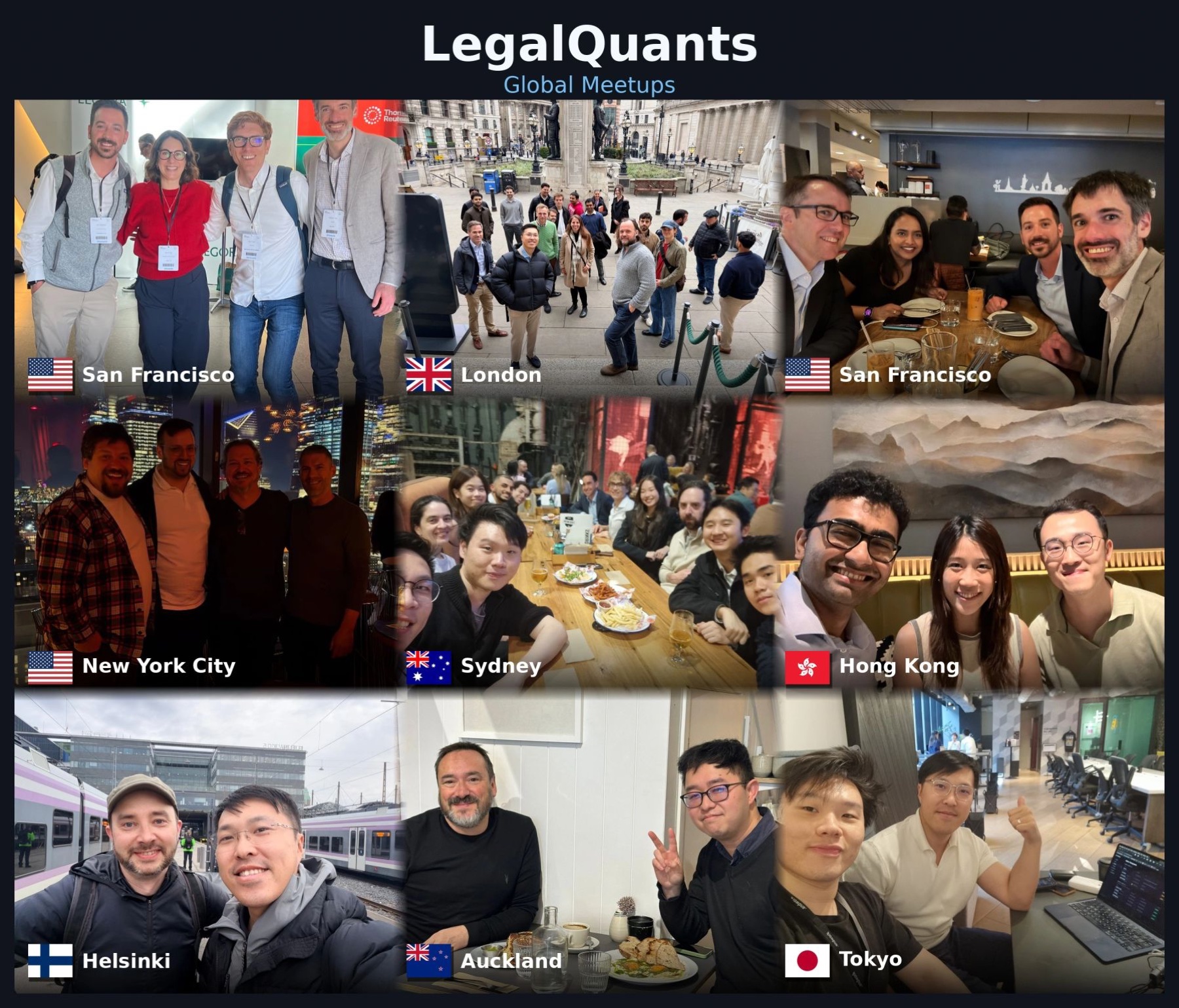
The private community, alumni network, and local meetups.
A Claude, Codex or Kimi Max account for the month, on us, plus LQ Brain. Your existing subscriptions were never the bottleneck.
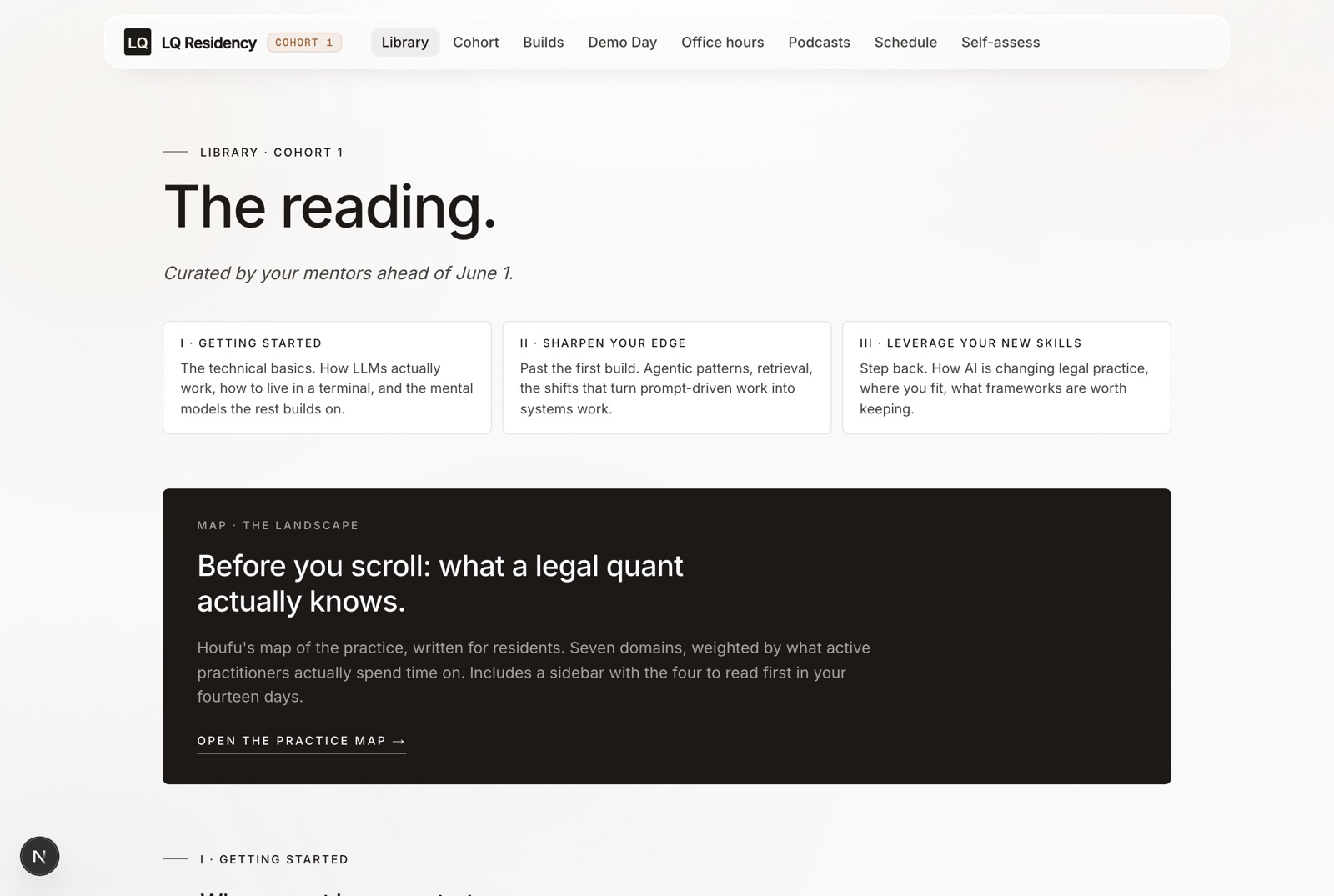
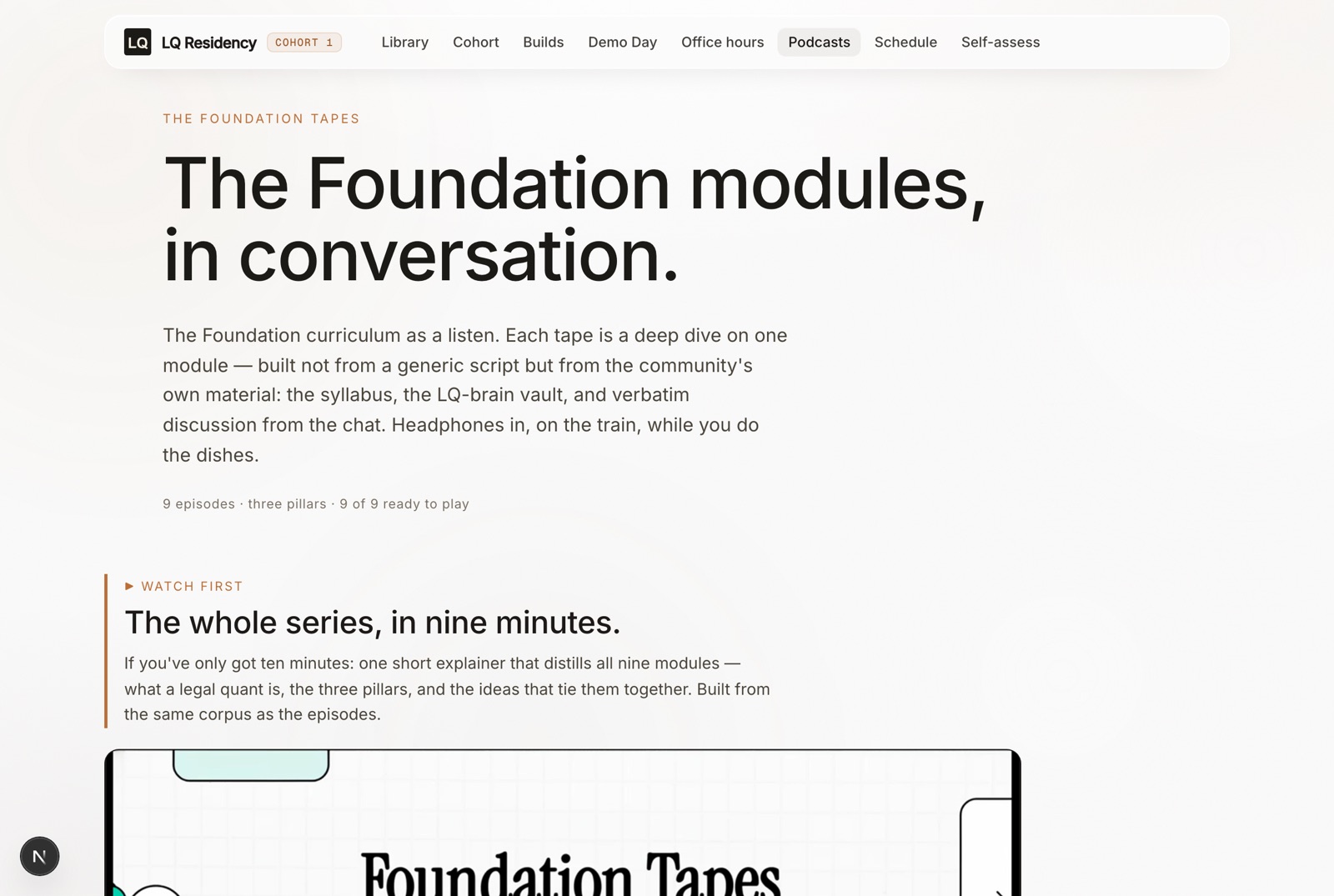
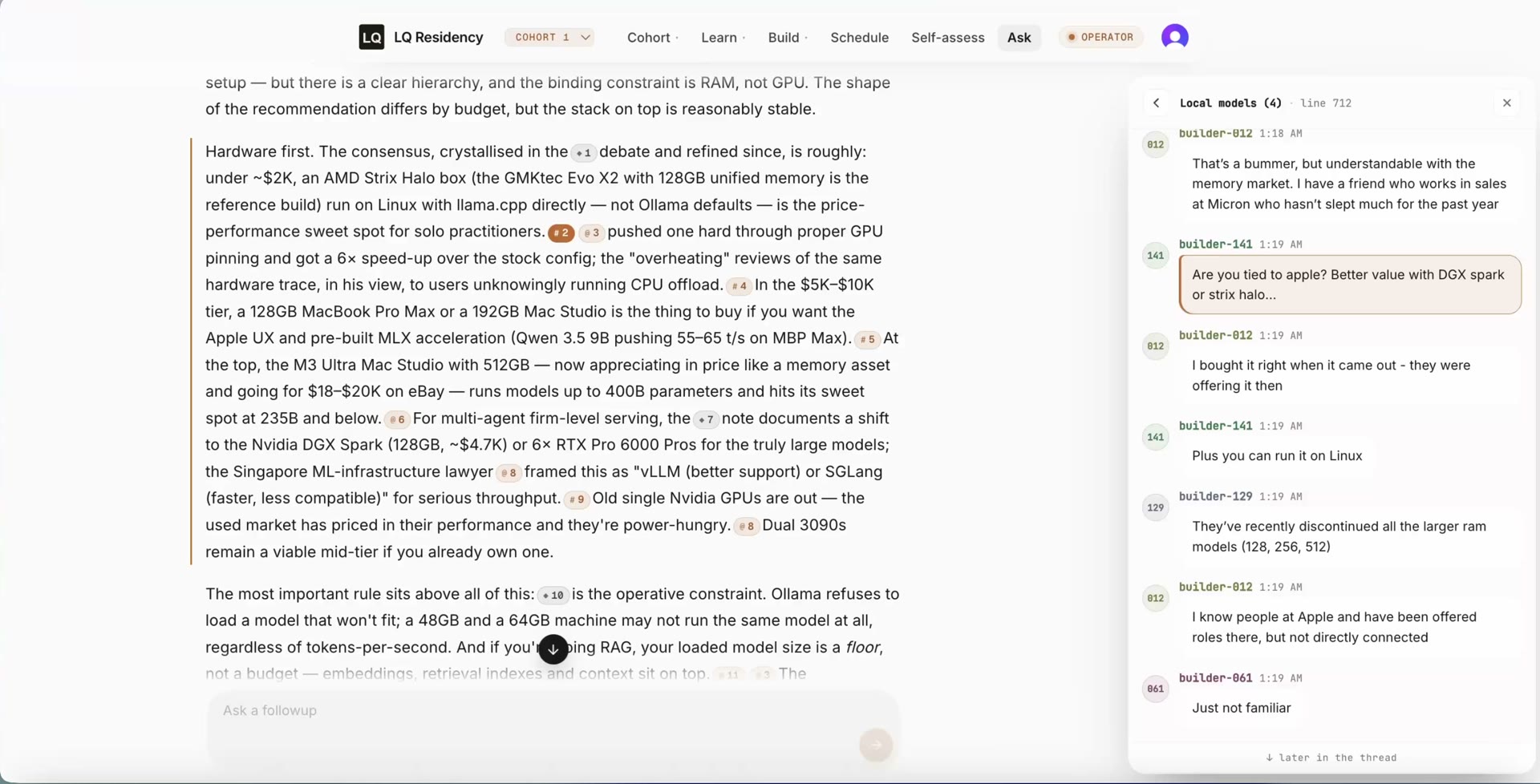
A private workspace containing your assessment, reading and preparation, the residency schedule, office-hours recaps, project materials, cohort demos, LQ Brain, and the Foundation Tapes podcast. You keep access after the residency.
Every mentor practised law. Every one of them was invited into LegalQuants by the founders.
Every mentor has deep legal domain expertise, frontier AI knowledge, and has built software that scaled. They understand what good looks like for legal work, so you build to a lawyer’s standard, not a demo standard. You’ll be matched with someone whose experience is relevant to your work.
Nobody else has the bench: enough senior lawyer-builders to match you on practice area, timezone and seniority at once.
Practice areas we cover: privacy · funds · finance · tax · IP/tech · litigation · arbitration · restructuring & insolvency · trusts and estates · capital markets · in-house legal operations · and many more.
Nine time zones, UTC−7 to UTC+12

Co-Founder, LegalQuants · ex-Clifford Chance funds lawyer
Solo-built internal tools that scaled to 18 Clifford Chance offices in 10 months · kickstarted the vibe-coding movement among lawyers
Rajal · FundsFiona · FundsCo-Founder, LegalQuants · Senior Associate, Technology · global top-20 firm
Built the Global AI Regulation Tracker solo · Lawyers Weekly 30-under-30 Tech Lawyer of the Year, 2023
Peter · PrivacyAverell · Crypto
Senior Legal Counsel · Toyota Tsusho Asia Pacific
71+ open-source repositories
Kenny · TechAshley · Debt finance Joey · Real estateAgatha · In-house
Senior Counsel, Group HQ · Masdar
ex-Shearman & Sterling, Arbitration (Paris) · ex-GC, EGA Africa
Gillie · PrivacyBill · Tech GCJose · Corporate
Special Counsel, Litigation & Arbitration · AmLaw 50 firm
Yale Law · Second Circuit clerkship · 15+ years litigating securities-fraud cases
Bradley · Finance
Private Client, Trusts & Estates · AmLaw 50 firm
Trusts and estates for private clients
Tamur · Managing partnerElias · Private wealth Sean · LitigationHank · CLO
Manager, Credit Management & Debt Recovery · Fletcher Building
Former insolvency lawyer
Alexis · Corporate counselPetra · Political law
Associate, TMT · leading Central European firm
Dual LL.M., King’s College London + Bocconi · École 42
Jayne · Corporate
Solicitor Advocate & commercial litigator · UK litigation firm
Builds local, self-hosted AI for legal work
Judith · Entrepreneur
Founder · Searchlight
ex-Orrick patent litigator · Harvard Law · Berkeley EE/CS · Federal Circuit + Delaware clerk
John · IP litigation Mark · Tax
Senior Associate, Restructuring & Insolvency · Magic Circle firm, seconded to its Global Innovation Office
Inside a Magic Circle innovation function
Fatema · Government
VP Legal, Modern Treasury · ex-Morrison & Foerster
15+ years of tech transactions, SaaS and fintech · co-leads the Bonterms standard-agreements committee · builds with LLMs hands-on

Tax lawyer & Chartered Accountant · IFM Investors
Builds cross-disciplinary tools for tax, legal and finance workflows · co-author of the AgentArcEval paper · ex-Luna (AI tax copilot)

Corporate lawyer · AI builder · ex-Sidley Austin
Five years advising listed companies on M&A and capital markets, then pivoted to product · HKEX size-test agent, Listing Rules RAG, HK judgment summariser

Senior Counsel · Clipboard Health
Eight years a federal prosecutor, then in-house at Facebook · built the open-source Legal Risk Pricer, a multi-agent Claude skill that turns a contract position or regulatory change into a quantified risk assessment

Associate General Counsel · AI-native venture studio
Built Privilege Sentinel, an open-source privilege-risk assessment tool for legal AI prompts · now designing multi-agent systems to rebuild in-house legal operations from the ground up
This is the current bench, not a fixed roster — mentors join and occasionally step back between cohorts. Being pictured here isn’t a placement guarantee; you’re matched to whoever fits your practice area, timezone and seniority best.
Every session, dated.
Six webinars on Tuesdays and Thursdays at 6am PT · 9am ET · 2pm London · 3pm CET · 10pm SG/HK, all recorded. Each is led by a leading practitioner within the LegalQuants community. Individual topics are confirmed closer to each date and published on your schedule once set. Your mentor 1:1s are 60 minutes on Mondays, Wednesdays and Fridays, at times you and your mentor set. Office hours run in small groups, at times set from the cohort’s timezones once the room is known.
The LegalQuants community.
Lawyers from AmLaw100, Magic Circle, and Fortune 500 in-house teams. One chat community, 1,000 messages a week, some of the most AI-native lawyers anywhere. When you join the cohort, you’re in. After the residency, your stuck point is usually someone else’s solved problem.
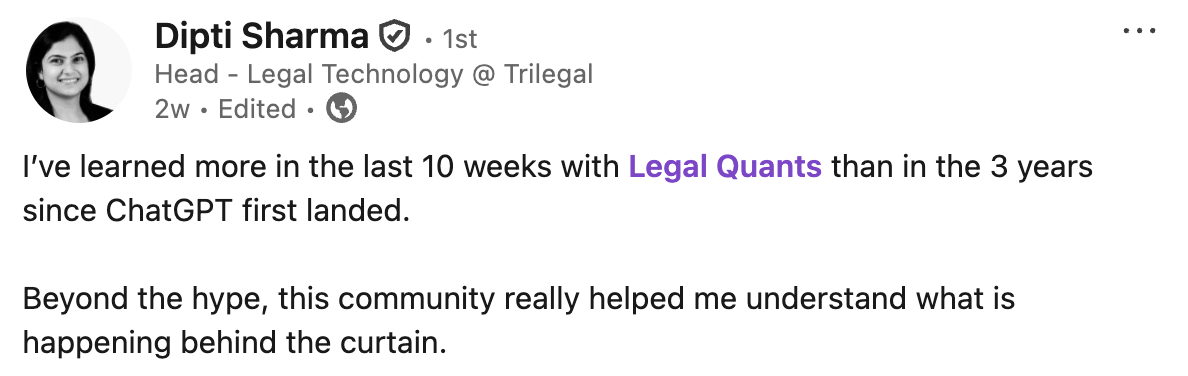
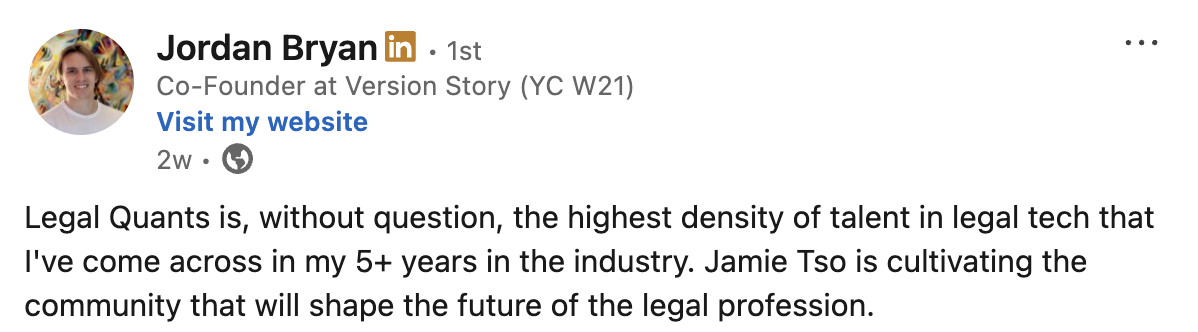
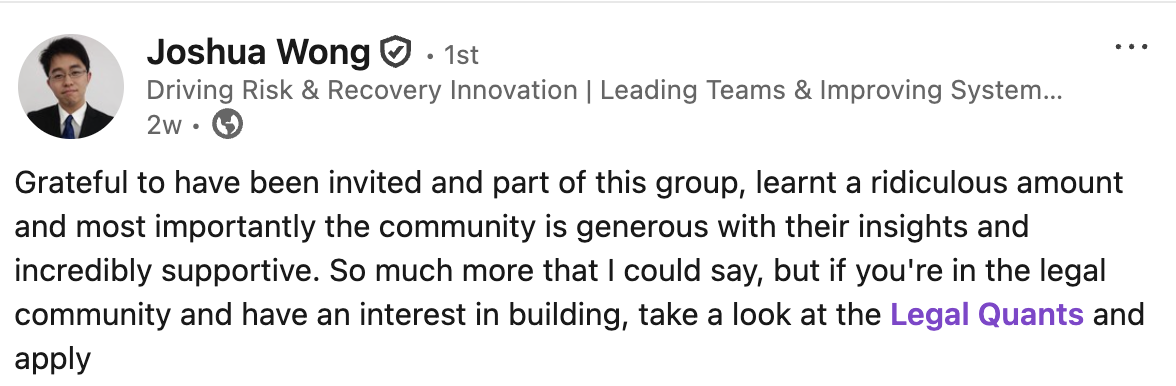
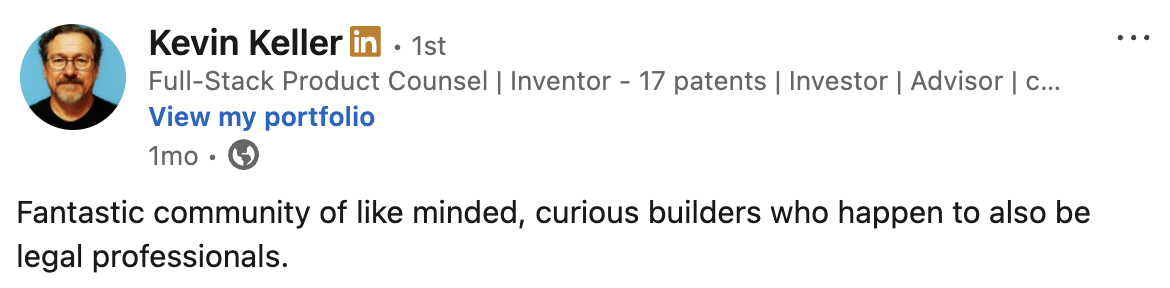

All in. Tools for the month included.
We review your enrolment within 48 hours of payment. If we don’t think the fit is right, you get everything back, no reason required.
Employer reimbursement supported: invoice, course summary, and certificate of completion.
If you’d rather talk it through first, book a call with Jamie — or ask for an intro to a past resident or a mentor in your practice area.
Asked before joining.
What do I actually learn?
You become an AI-native lawyer by working next to ones who already are. The hard skills come with it: meta-prompting, workflow mapping, document ingestion pipelines, delivering work as HTML, building your own tools, and verifying AI’s work instead of trusting it.
I already use ChatGPT. What do you mean by “build”?
Most lawyers bolt AI onto the way they already work: receive a task, open ChatGPT, paste in, read out, copy back — and start from scratch on the next matter. Building means rebuilding the work around AI: your own tools in Claude Code, agents that run while you’re doing something else, processes you keep and improve.
What will I actually make?
One of four shapes, sized to your practice. A workflow: a repeatable Claude Code process for a matter you handle weekly. A tool: an internal app your team can actually use. A capability: running an agent autonomously for hours, or standing up an MCP endpoint. A system: the practice itself, redesigned. The project is the tangible result of a deeper change in how you work.
Am I building alone?
No. The cohort includes lawyers from major firms, in-house teams, and legal technology companies — everyone on a different project, but the problems overlap: repetitive review, scattered information, slow handoffs. The group is where you see how others approach similar problems, get unstuck between mentoring sessions, and test ideas with people who understand legal work. After the residency, you remain part of the LegalQuants community, including the alumni group and local meetups.
I don’t have a build idea yet. Is that a problem?
No. Picking what to build is half the work, and the assessment and setup weeks are partly for finding it with your mentor. A good test: the thing you’d use yourself, daily. If you wouldn’t, neither would anyone else. You don’t need an app, either; a workflow, a document pipeline, a monitoring routine, or a repeatable capability all count.
Do I pick my mentor?
We match you — practice area, seniority, timezone. Dan (tax) mentored Mark (tax). Jamie (funds) mentored Rajal and Fiona (both funds). Parth (patents) mentored John (IP litigation). The match is the product.
What’s the time commitment?
10–15 hours a week: your 1:1s, about three hours of office hours and webinars, and 1–2 hours a day on your build.
Do I need a technical background?
No. Most residents had never opened a terminal. There are prerequisites before kickoff — installing the tools — and a step-by-step guide plus tech support for exactly that.
Can I use firm documents? What about confidentiality?
We can sign an NDA, and we keep a library of open and synthetic documents so you never have to touch client data. Nothing you build is public unless you decide it is.
Is it three weeks or four?
Four. Week 1 is prep — git, GitHub, Claude Code or Codex, Vercel, and the reading. Weeks 2–4 are the build.
What if work slams me mid-cohort?
You can defer to the next cohort and make up the remaining time. Once, not indefinitely.
My firm blocks Claude Code. Is this still worth it?
Yes, and this situation is common in the cohort. You learn the frontier on your own machine and your own time, and that knowledge transfers: residents in locked-down firms become the best Copilot users in the building, because they know what the tools can actually do. We calibrate to what you’re allowed to run.
Couldn’t I learn this from a bootcamp or YouTube?
The difference is the person across the table: a senior lawyer in your practice area who knows what good legal work looks like. Generic courses can’t see your bottlenecks. Your mentor has usually had them.
I’m a lawyer, not a builder. Is this for me?
The aim isn’t to make you a developer. It’s leverage: using AI to build the tools that do your work, so you’re the architect, not the plumber.
Do I become a LegalQuant afterwards?
You may be invited. Membership is the beginning — the people who get the most from the community are the ones who contribute to it.
What support is there after the residency?
The main LegalQuants WhatsApp, plus a Residency alumni group run by two alumni — one in-house, one BigLaw — for knowledge sharing and meetups.
Why LegalQuants and not someone else?
The bench: enough senior lawyer-builders to match you on practice area, timezone and seniority at once. And the mentors all know each other — you’re joining their community for the month.
What’s the refund policy?
Two paths. We review your enrolment within 48 hours of payment and, if we conclude the fit isn’t right, you get a full refund, no reason required. Or you cancel — one email to admin@legalquants.com — 50% refund up to 26 October 2026; after that, no refund except force majeure.
You came here asking whether you’re doing it right.
Four weeks from now you’ll know, because someone qualified will have told you.
Reserve your seat in the first cohort of 2027.
$500 holds your place and today’s price. It’s credited in full toward tuition, and transfers across 2027 cohorts if your plans move. We’ll write the moment the cohort’s dates are set.
Not ready to commit? Leave your details and we’ll write when the next cohort’s dates are set.